
What to remember
- Treat every important page as part of a customer journey, not a brochure page.
- Make the next action obvious and measurable.
- Connect search, content, conversion and follow-up around the same commercial goal.
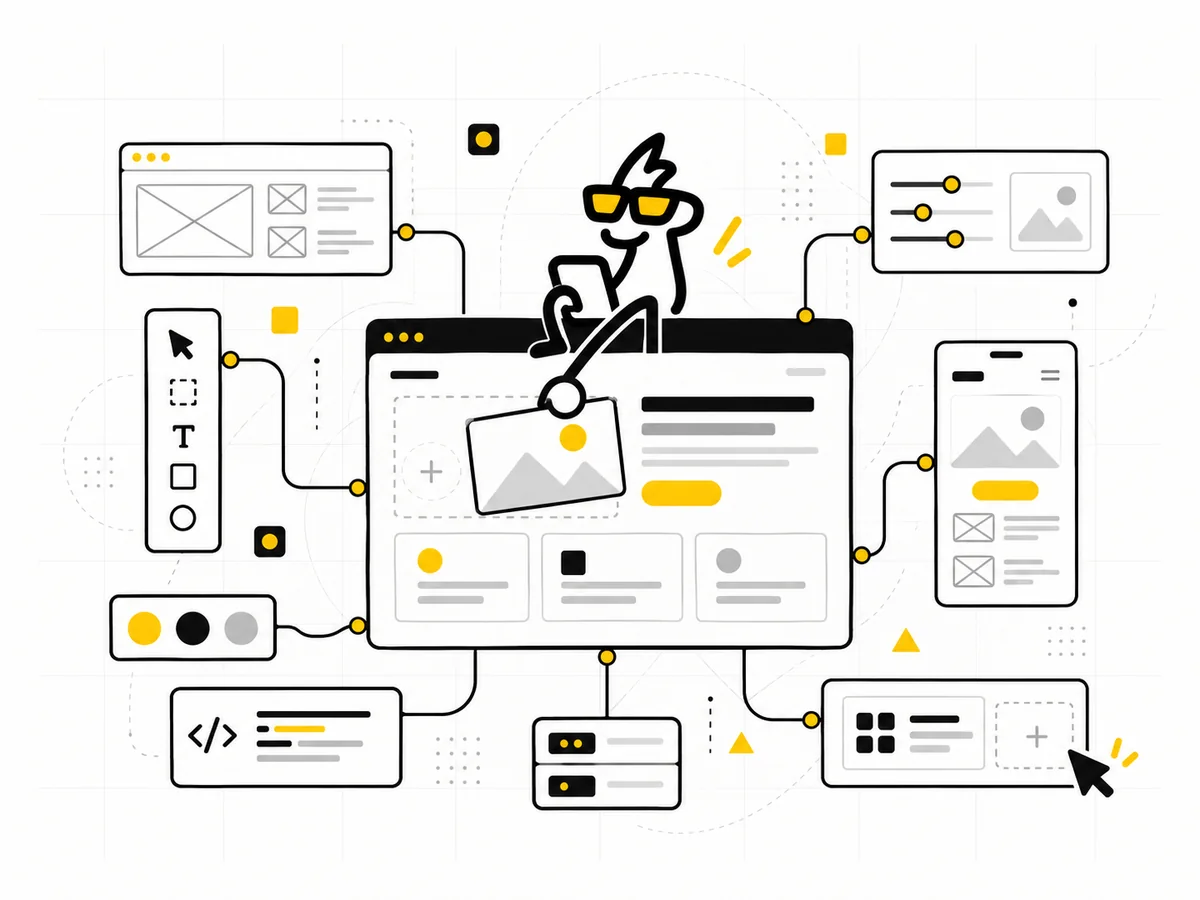
The brochure mindset is the real problem
A brochure website is usually organized around the company: who we are, what we do, a gallery and a contact form. A growth website is organized around the buyer: what problem they have, what they need to understand, what proof reduces risk and what action should happen next.
That difference changes the information architecture, copy, landing pages, measurement and maintenance model.
Five jobs a growth website needs to do
- Clarify the offer quickly so the right visitor understands the relevance.
- Support discoverability with crawlable, useful pages that match real search intent.
- Convert attention through clear next actions, proof, forms and friction reduction.
- Create reliable measurement by defining meaningful events and preserving campaign attribution.
- Give marketing teams a platform for new landing pages, content, experiments and lifecycle entry points.
Where websites commonly leak demand
- The hero explains the company but not the customer problem.
- Important services share one generic page instead of answering specific buying questions.
- Paid campaigns send traffic to a homepage with no message match.
- Forms collect information but tracking cannot distinguish qualified leads from noise.
- Mobile layouts technically fit the screen but still make the user work too hard.
A practical improvement sequence
Start with the offer and primary customer journeys. Then map the pages those journeys require. Improve the highest-intent pages first, connect conversion events, and only then scale acquisition.
This is why Mostly Digital treats website work as part of a connected system rather than an isolated design project.
A simple way to prioritize website work
List the pages that currently receive the most valuable traffic or support the most important sales conversations. For each page, write down the visitor intent, the primary action you want and the evidence the buyer needs before taking that action. If those three things are unclear, fix them before adding more design complexity.
Next, look at dependencies. A new paid campaign may require a dedicated landing page. A new SEO cluster may require stronger service pages. A lead-generation form may need CRM routing and conversion tracking. This dependency view turns the website roadmap into a business roadmap rather than a design backlog.
Signals worth watching after changes
- Qualified form submissions or booked conversations from priority pages.
- Organic and paid landing-page conversion rates.
- Mobile form completion and drop-off.
- Search impressions and clicks to important service pages.
- Page speed and error trends on high-value journeys.
- Sales feedback on whether leads arrive with clearer expectations.
The Mostly Digital website system
Create discoverable pages around real demand.
Help the right visitor understand the offer fast.
Use evidence, specificity and useful detail.
Make the next useful action easy.
Track what happens after the click.
Use evidence to decide what changes next.
Example: a B2B services website
Instead of sending every visitor to a generic contact page, a growth-system website might create clear service pages, route high-intent visitors to a relevant enquiry path, capture source data, and use follow-up to distinguish a qualified sales conversation from a casual enquiry. The page design and the measurement plan are part of the same system.
Google Search Central: creating helpful, reliable, people-first content
Frequently asked questions
Should every business redesign its website?
No. Sometimes the highest-leverage move is improving a few important pages, fixing tracking or cleaning up the conversion journey.
What should we measure on a website?
Measure the actions that represent commercial progress: qualified form submissions, booked calls, purchases, applications or other meaningful steps-not page views alone.