
What to remember
- Do not optimize campaigns against events you do not trust.
- Track the actions closest to commercial value, not every possible click.
- Separate a submitted lead from a qualified lead whenever your sales process allows it.
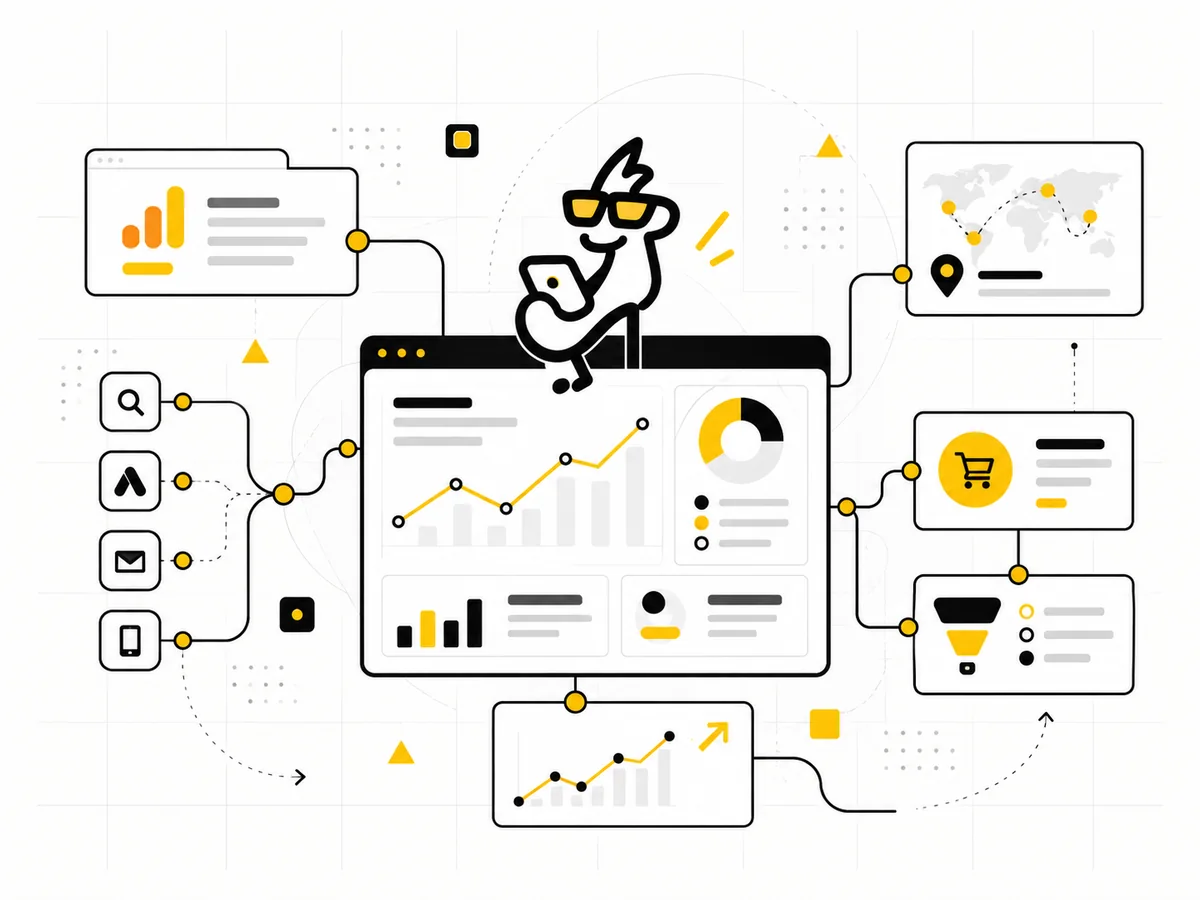
The dangerous number is the one everyone trusts
If a form submission fires twice, a thank-you page is accessible without completing the form, or every button click is treated as a conversion, the dashboard may look precise while the business is optimizing against noise.
The opposite problem is just as damaging: phone calls, bookings or offline-qualified leads happen, but the ad account never sees them.
Audit the conversion chain
Start with the business action: what counts as progress? Then check the browser event, analytics event, ad-platform import, CRM record and final lead quality.
You do not need to track everything. You need the important actions to be reliable.
Check the landing page before blaming the campaign
- Does the page match the search intent and ad promise?
- Is the offer clear above the fold?
- Is trust visible before the visitor is asked to submit?
- Does mobile performance make the form difficult?
- Is there one obvious next action instead of five competing ones?
Build a feedback loop, not just a dashboard
The best optimization signal is often downstream: which keywords, campaigns and pages create qualified opportunities rather than raw submissions. Even a simple manual CRM feedback process can be more useful than another reporting widget.
Create a conversion map before touching bids
Write the customer journey from ad click to commercial outcome. For a lead-generation business that may be ad → landing page → form → CRM lead → qualified opportunity → sale. For ecommerce it may continue through product view, cart, checkout and purchase. Mark which steps are measured automatically and which require CRM or offline feedback.
This map makes gaps visible. If the ad platform optimizes only to a form submit while half of those forms are junk, the campaign may learn the wrong pattern. A small amount of downstream qualification data can be more valuable than another round of bid adjustments.
Pre-scale checklist
- Primary conversion fires once and only after success.
- Campaign UTMs are consistent.
- Landing page loads correctly on mobile.
- Call, booking or form alternatives are tracked where relevant.
- CRM or spreadsheet captures source and lead quality.
- Budget increases happen only after the measurement chain is trusted.
Minimum paid-media measurement map
Campaign, ad group and creative context.
Which page received the click.
Form, call or other meaningful response.
A real enquiry captured correctly.
Qualified, unqualified or spam.
Use sales outcomes to improve acquisition decisions.
Example: why more spend can hide a tracking problem
If a campaign reports 60 conversions but the CRM contains 18 real enquiries, increasing budget based on the platform number can amplify the wrong signal. First reconcile the event definition, duplicate firing, spam handling and lead-quality feedback. Then decide whether more spend is justified.
Frequently asked questions
Should we track every click as a conversion?
No. Separate micro-interactions from true business outcomes.
Do Google Ads and GA4 always show the same numbers?
No. Attribution and reporting rules differ. Document the differences and use a consistent decision framework.